01
A useful first look
Compare a suspicious spot with visual patterns commonly associated with mold and moisture damage.
Useful on visible surfaces such as drywall, grout, wood trim, and ceiling corners.
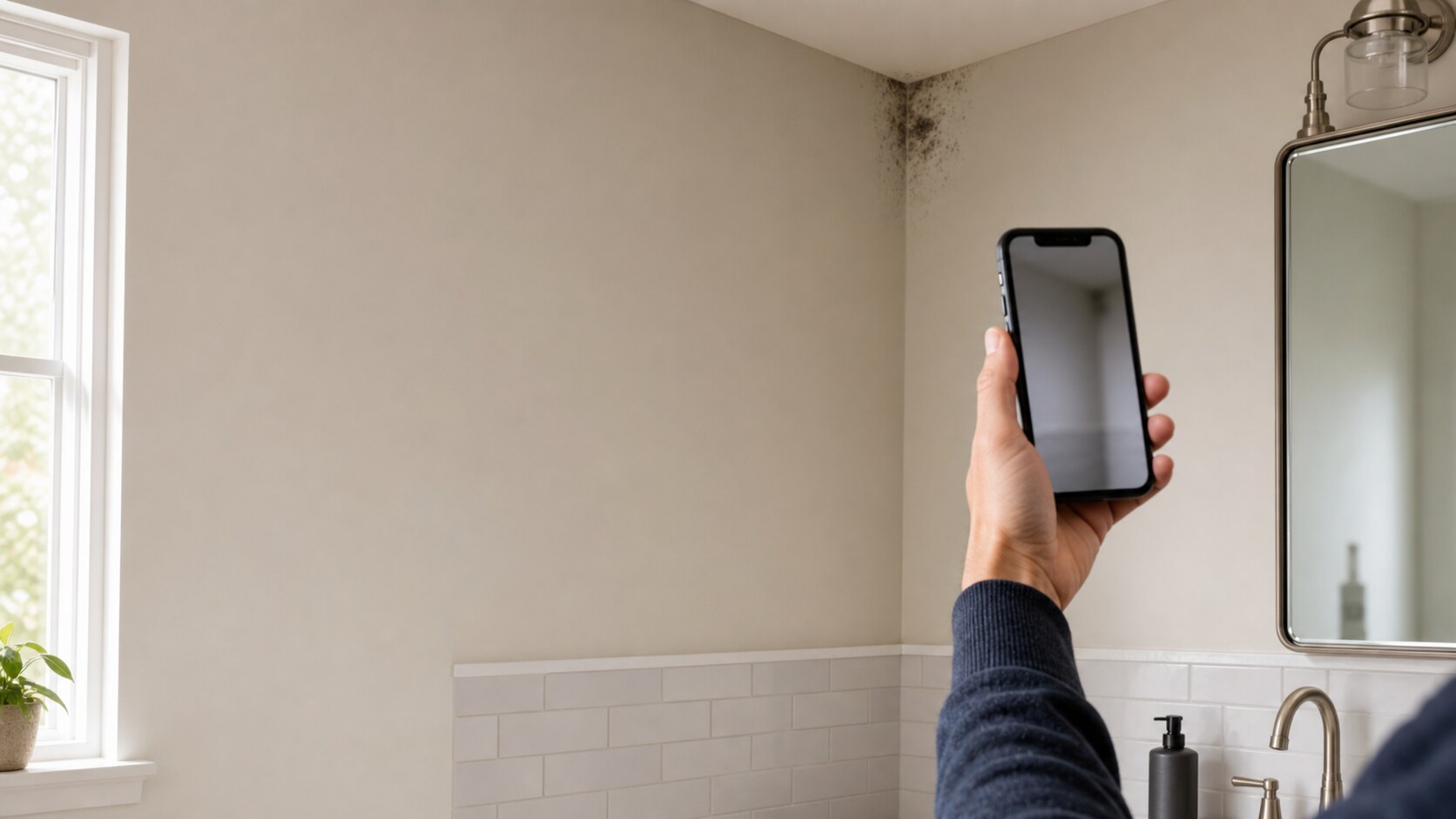
Mold identifier by photo
Not sure whether a spot is mold? Photograph it for a quick visual likelihood check, practical next steps, and a record you can compare over time.
Visual guidance only. Exact identification still requires professional assessment or laboratory testing.
A photo can help you recognize visual warning signs and organize what to do next. It cannot confirm the species, toxicity, or what may be hidden behind a surface.
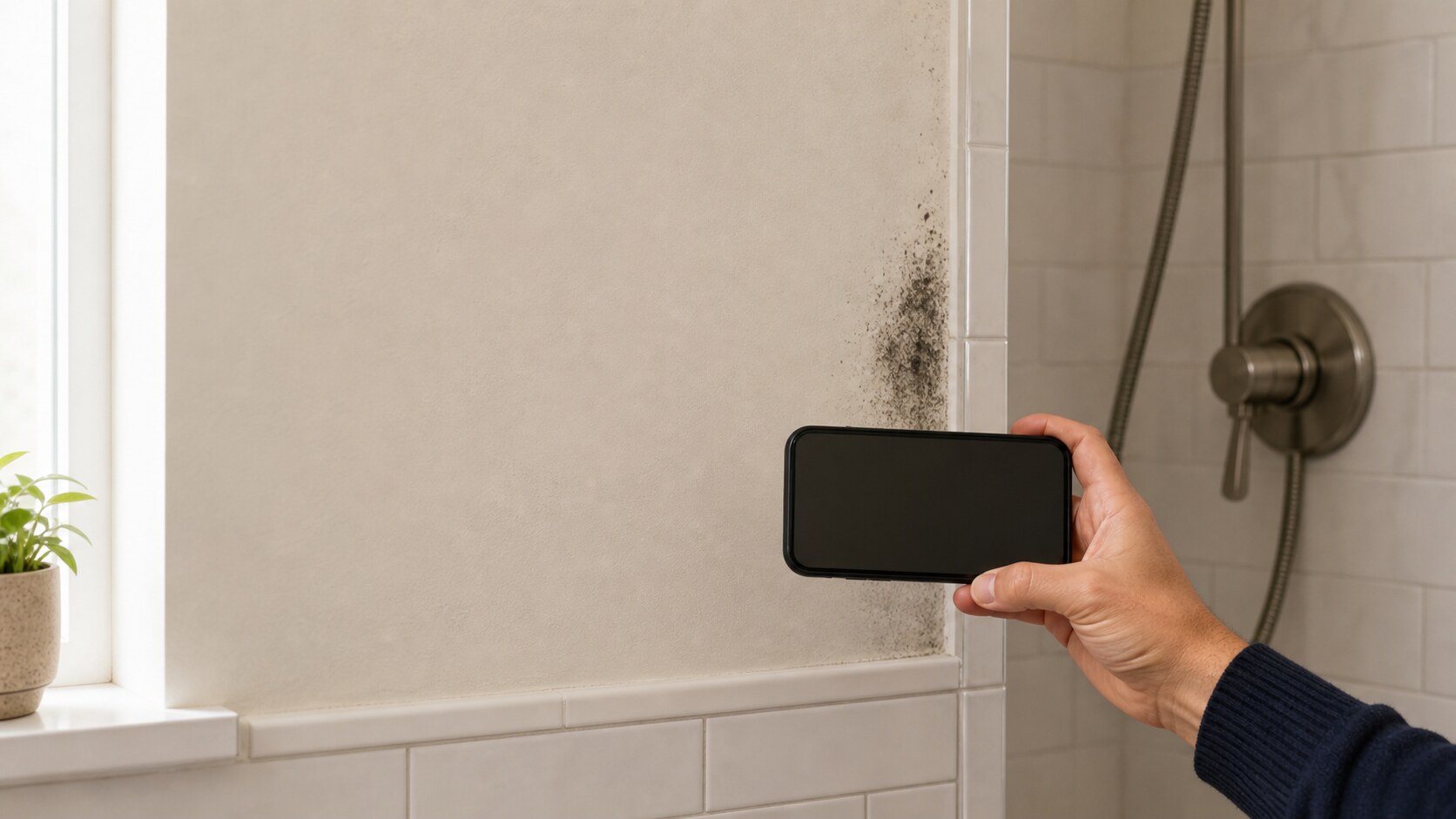
Compare a suspicious spot with visual patterns commonly associated with mold and moisture damage.
Useful on visible surfaces such as drywall, grout, wood trim, and ceiling corners.
Read the result alongside what you know about leaks, humidity, musty smells, and how long the spot has been there.
A single image cannot reveal hidden growth or confirm what caused the mark.
Photograph the same area over time to see whether it stays stable, spreads, or returns after cleaning.
Consistent lighting and framing make comparisons more meaningful.
Use practical guidance to decide whether to monitor, address moisture, or speak with a qualified professional.
Large, recurring, hidden, or health-related concerns deserve professional advice.
Three quiet steps turn a moment of uncertainty into a useful record and a more informed decision.
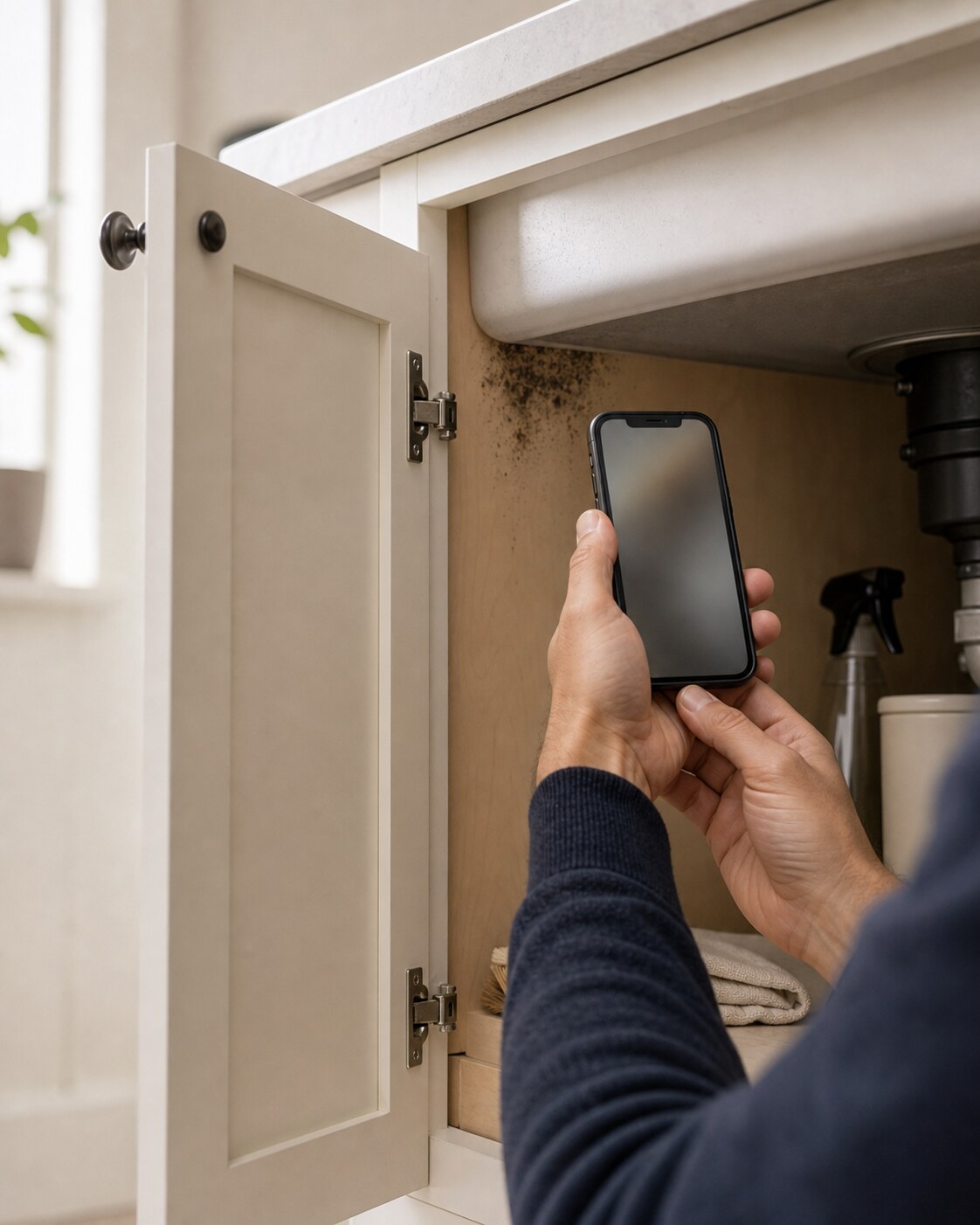
Take one close photo and one wider view in natural, even light. Include nearby leaks, windows, pipes, or vents when relevant.
Mold Finder looks at visible patterns and gives you plain-language context — without claiming to identify an exact species.

Keep a record, address the moisture source, and call a qualified inspector when the area is large, recurring, or uncertain.
Use the same simple photo record when you first notice a spot, when it keeps returning, or when you need to compare change over time.
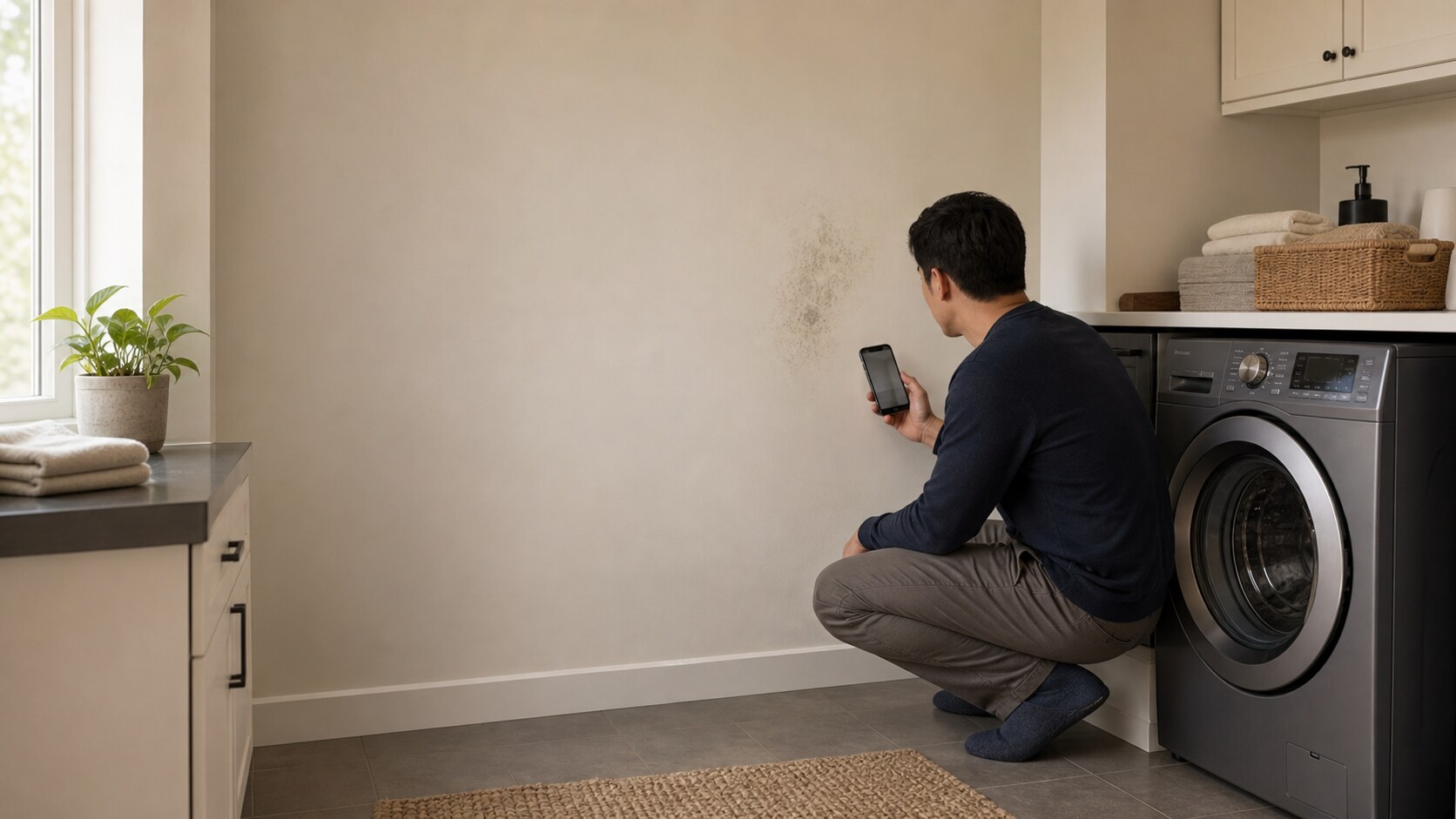
Start with a visual check before deciding whether the mark needs monitoring or a closer inspection.
Document the pattern and the conditions around it so your next conversation is based on more than memory.
Keep a simple visual history after cleanup while you continue addressing the underlying moisture source.

Mold Education Hub
Compare black mold and mildew, learn what common growth can look like, and understand when cleanup or professional help may be appropriate.
Straight answers about photo identification, its limits, and when a professional opinion matters.
Mold Finder
Take a clear photo, review the visual likelihood, and keep a record you can use if the spot changes or you call a professional.
Mold Finder provides informational visual guidance. It does not replace laboratory testing or a licensed inspection.